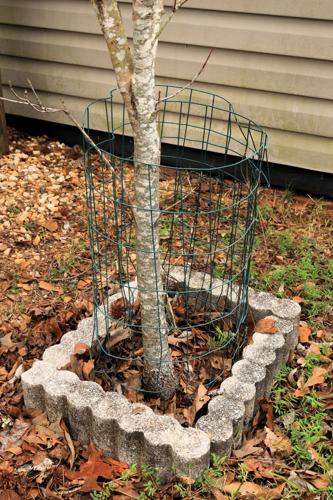
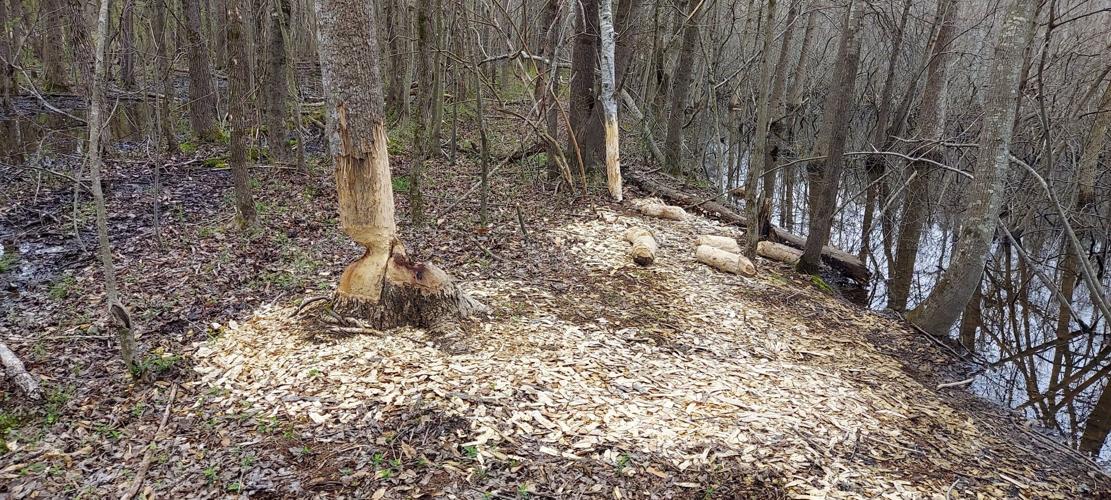
Beavers gnaw trees for food and to use as construction materials. When a tree is too large to process in one session, a beaver will come back to it as needed.
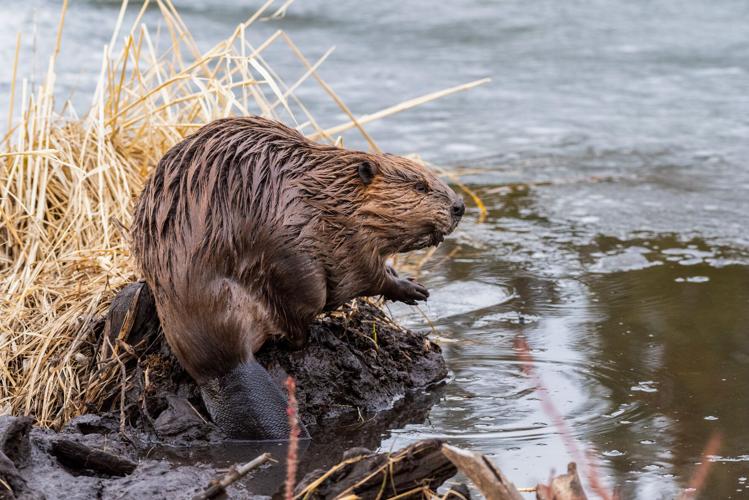
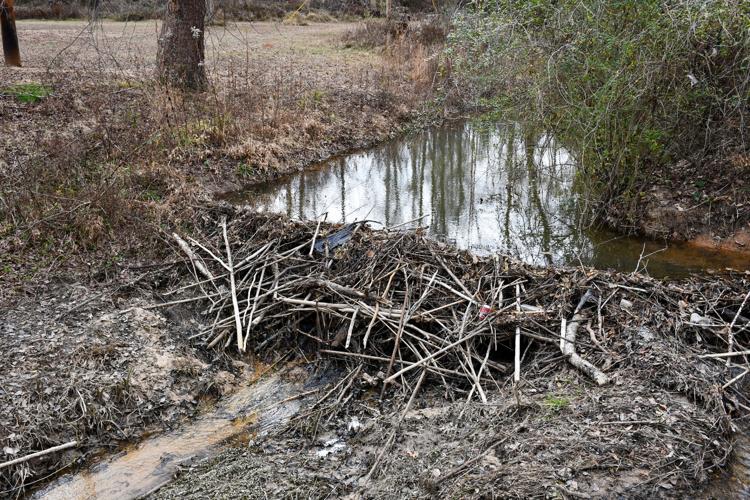
The North American beaver (Castor canadensis) is Alabama’s largest rodent and one of the more impactful species we have. Arguably the best natural engineers and builders, beavers can reshape a landscape like no other animal. In the right setting, beavers can produce superior wetland ecosystems. In the wrong setting, beavers are a source of chaos and destruction.
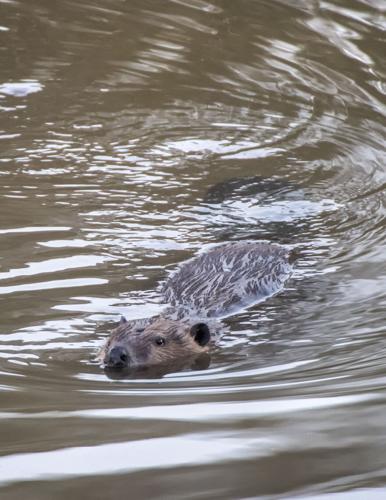
Beavers are primarily nocturnal, semi-aquatic rodents. Their webbed feet and flat, paddlelike tails make them excellent swimmers. They have large orange front teeth that never stop growing and are used for cutting and moving trees. Their preferred diet of woody and herbaceous plants allows them to grow between 41 and 46 inches long and weigh between 29 and 80 pounds. The luxurious quality of their brown fur was a leading cause of western exploration and expansion in the early days of our country. Harvesting beavers was such a driving force that they were extirpated from much of Alabama and their native range. Thankfully, restoration efforts have brought them back, and they are thriving once again.
Beavers gnaw trees for food and to use as construction materials. When a tree is too large to process in one session, a beaver will come back to it as needed.