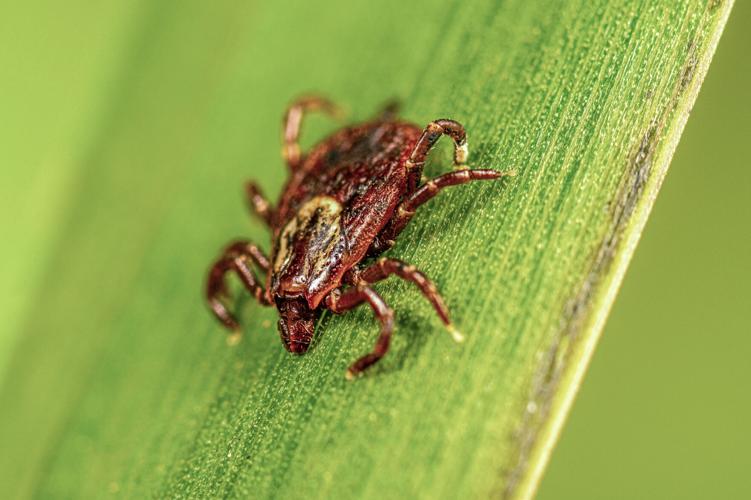
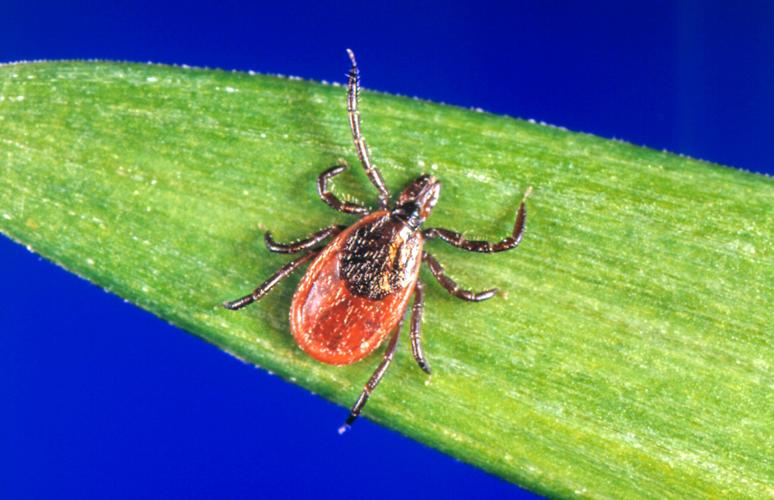
Summer is that time of year when people spend much of their time enjoying outdoor activities – swimming, camping, hiking, picnicking, gardening or relaxing. Although summer is highly anticipated, many times the great outdoors often cannot be thoroughly enjoyed because of all the pesky bugs. Uninvited guests such as mosquitoes, gnats, flies, yellow jackets and ants usually show up and crash the party just when the fun begins. But they are all minor pests in comparison a major pest that generally arrives unnoticed. With summertime here, it also means ticks are crawling.
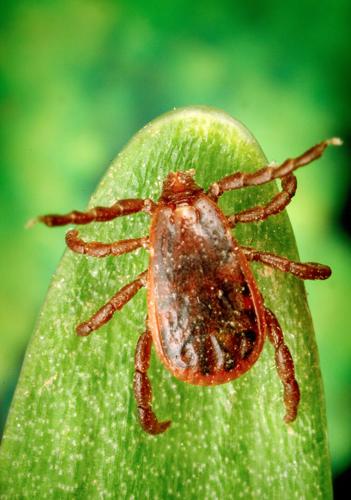
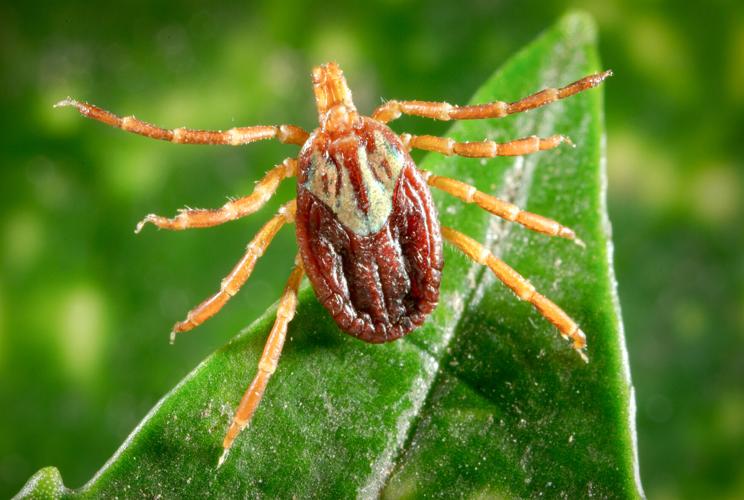
Ticks are arthropods that are more closely related to spiders and mites. Adult ticks have eight legs while insects have six legs. Ticks are ectoparasites, which means they must have a host for each stage of their life cycle in order to survive and reproduce. Therefore, they naturally seek out mammals, birds and humans to bite and feed on their blood. Interestingly, ticks locate hosts by detecting an animal’s breath and body odors, sensing body heat, moisture and vibrations.
Use tweezers to grasp the tick as close to the skin’s surface as possible.
Pull upward on the tick with steady, even pressure. Do not twist or jerk the tick.
Dispose of a live tick by submerging it in alcohol, placing it in a sealed container or flushing it down the toilet.
Clean the bite area and your hands with soap and water, rubbing alcohol or an iodine scrub after removing the tick.
Don’t make these common mistakes when removing a tick:
Don’t touch the tick with your fingers.
Don’t try to scrape off a tick.
Don’t twist or squeeze the tick; this can cause the mouthparts to break off in the skin.
Don’t burn a tick with a hot match while it is still attached.
Don’t apply a substance such as nail polish remover, petroleum jelly, gasoline or soap to the tick in an attempt to kill it while it is still attached.
Don’t wash the tick down a drain; it can crawl back up the drain and into your home.