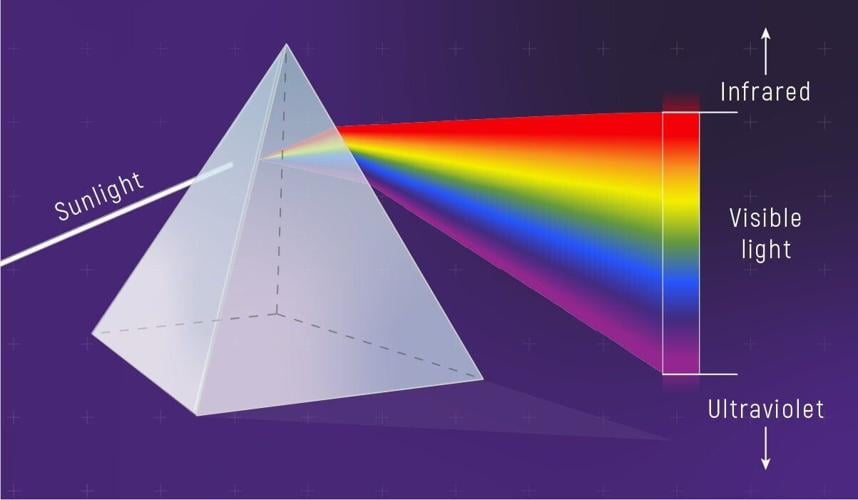
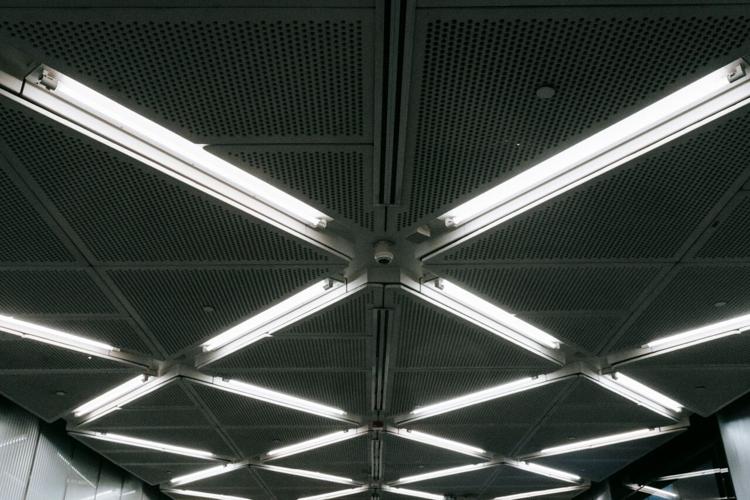
Sunlight contains a broad spectrum of wavelengths, including infrared light invisible to the human eye. Jeffery and Fosbury say that because conventional LEDs strip out much of this longer-wavelength light, people are living in a state of chronic light deficiency. (NASA, ESA, L. Hustak (STScI) via SWNS)
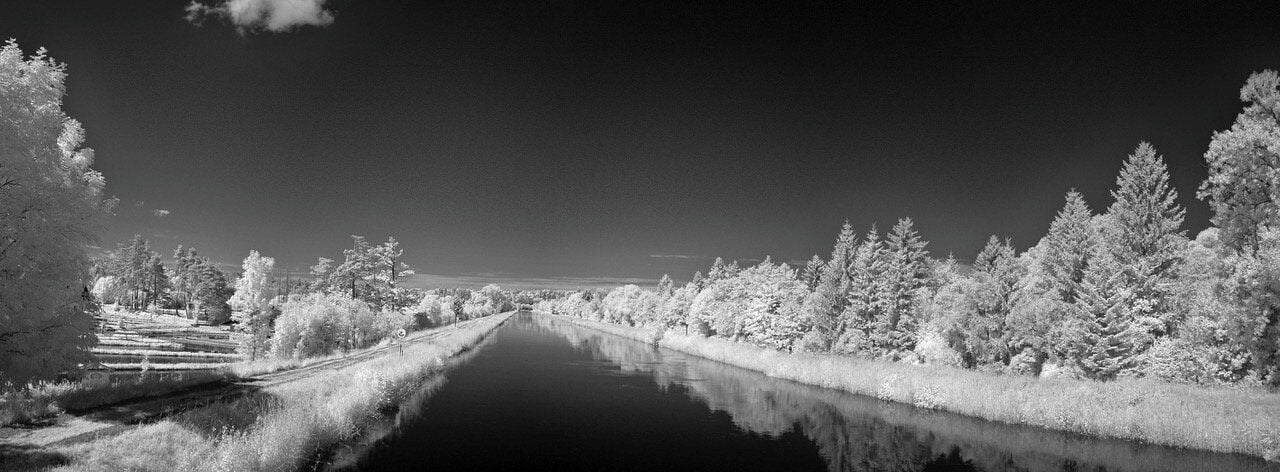
Tree leaves reflect near-infrared light instead of absorbing it. Fosbury says this means people standing beneath trees can be bathed in infrared wavelengths. (Dr. Bob Fosbury /Supplied via SWNS)
Near-infrared images taken at around 800nm show how living tissue reflects and transmits wavelengths invisible to the human eye. Jeffery and Fosbury argue that these longer wavelengths can penetrate the body and play an important role in supporting mitochondrial function. (Dr. Bob Fosbury /Supplied via SWNS)
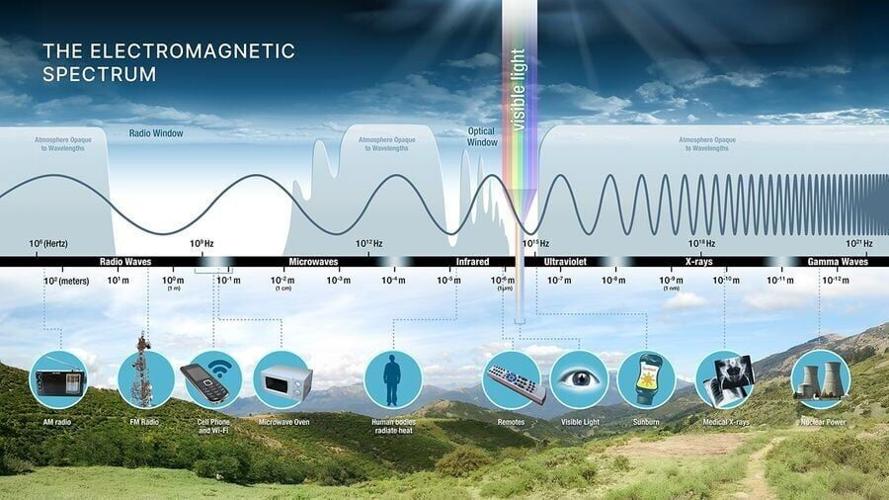
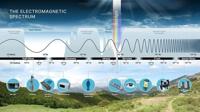
Visible light makes up only a small part of the electromagnetic spectrum. Jeffery's concerns center on infrared wavelengths beyond what the human eye can see, which conventional LEDs fail to reproduce. (NASA, ESA, L. Hustak (STScI) via SWNS)
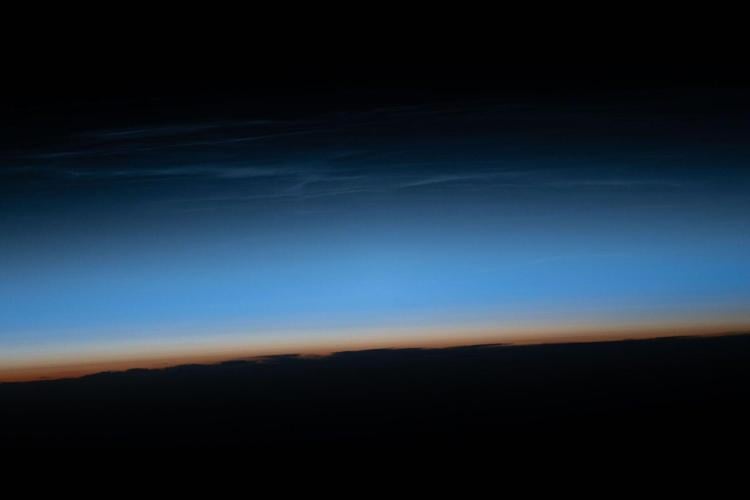
Natural daylight contains the red and near-infrared wavelengths largely missing from conventional LED lighting. Jeffery says spending time outdoors, particularly in the morning and evening, can help restore exposure to the wavelengths important for healthy mitochondrial function. (NASA via SWNS)
Professor Glen Jeffery warns that modern LED lighting could pose a public health emergency, describing the potential health threat as the new asbestos. (Glen Jeffery / Supplied via SWNS)
Dr. Bob Fosbury, who is working with Professor Glen Jeffery, says human biology evolved under the full spectrum of sunlight. Removing some of those wavelengths from modern artificial lighting may interfere with the way our bodies metabolise energy. (Dr. Bob Fosbury / Supplied via SWNS)
Sunlight contains a broad spectrum of wavelengths, including infrared light invisible to the human eye. Jeffery and Fosbury say that because conventional LEDs strip out much of this longer-wavelength light, people are living in a state of chronic light deficiency. (NASA, ESA, L. Hustak (STScI) via SWNS)
By Talker
By Stephen Beech
LED lights could be "the new asbestos" for people exposed hours on end, leading scientists have warned.
Tree leaves reflect near-infrared light instead of absorbing it. Fosbury says this means people standing beneath trees can be bathed in infrared wavelengths. (Dr. Bob Fosbury /Supplied via SWNS)
Near-infrared images taken at around 800nm show how living tissue reflects and transmits wavelengths invisible to the human eye. Jeffery and Fosbury argue that these longer wavelengths can penetrate the body and play an important role in supporting mitochondrial function. (Dr. Bob Fosbury /Supplied via SWNS)
Visible light makes up only a small part of the electromagnetic spectrum. Jeffery's concerns center on infrared wavelengths beyond what the human eye can see, which conventional LEDs fail to reproduce. (NASA, ESA, L. Hustak (STScI) via SWNS)
Natural daylight contains the red and near-infrared wavelengths largely missing from conventional LED lighting. Jeffery says spending time outdoors, particularly in the morning and evening, can help restore exposure to the wavelengths important for healthy mitochondrial function. (NASA via SWNS)
Professor Glen Jeffery warns that modern LED lighting could pose a public health emergency, describing the potential health threat as the new asbestos. (Glen Jeffery / Supplied via SWNS)
By Talker
kA 4=2DDlQHA\3=@4<\A2C28C2A9Qmp E@E2= @7 aa 962=E9J 25F=ED 286D 36EH66? ab 2?5 ed E@@< A2CE[ H:E9 92=7 6IA@D65 E@ EF?8DE6? =:89E:?8 4@?E2:?:?8 =@?86C H2G6=6?8E9D :?4=F5:?8 :?7C2C65 2?5 E96 @E96C 92=7 C6>2:?:?8 F?56C ?@C>2= {ts =:89E:?8]k^Am
Dr. Bob Fosbury, who is working with Professor Glen Jeffery, says human biology evolved under the full spectrum of sunlight. Removing some of those wavelengths from modern artificial lighting may interfere with the way our bodies metabolise energy. (Dr. Bob Fosbury / Supplied via SWNS)