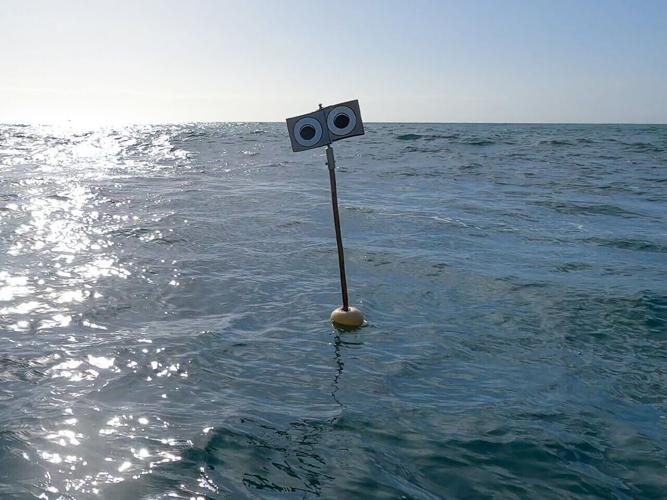
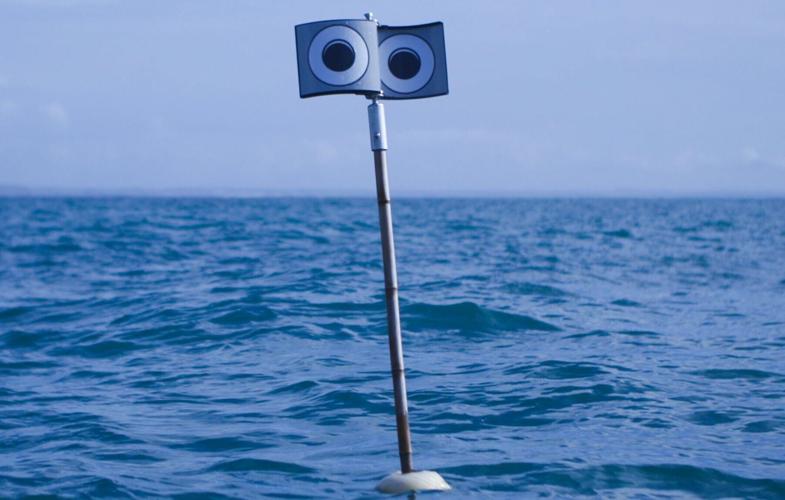
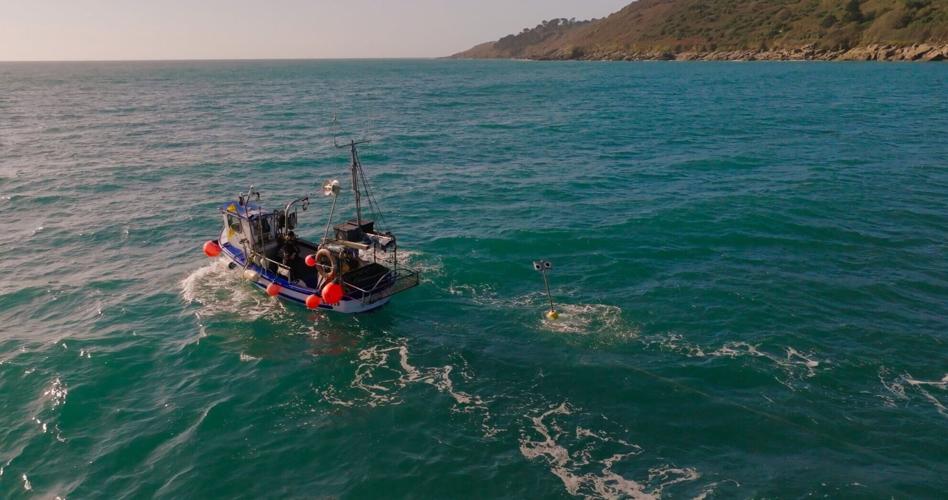
The Fishtek Looming Eye Buoyin opperation. //New research has shown that a 'floating scarecrow' and a 'scarybird' kite could stop seabirds from getting caught in fishing nets. Exeter University says that every year an estimated 95,000 diving seabirds such as guillemots and razorbills are incidentally caught in fishing nets and subsequently drown around the coast of Europe. This is known as 'bycatch,' and researchers say it's a global problem for seabirds around the world. Now, as part of an eight-year collaboration between scientists at Fishtek Marine and nature conservation charity the RSPB, a deterrent has been developed.
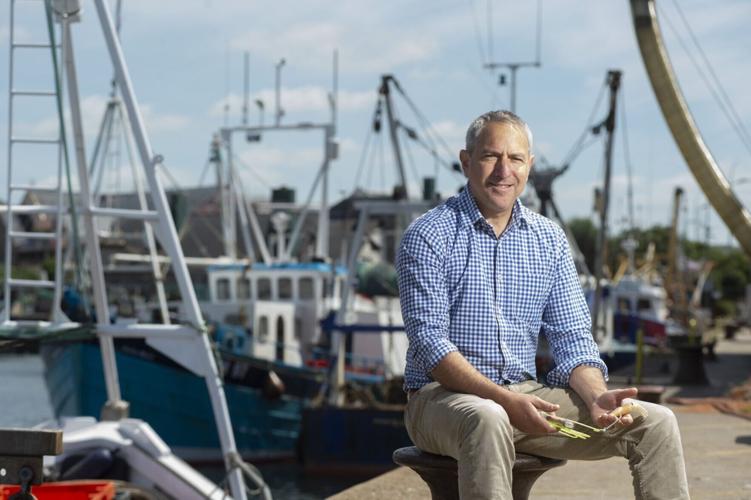
Trials ith fishermen were vital. //New research has shown that a 'floating scarecrow' and a 'scarybird' kite could stop seabirds from getting caught in fishing nets. Exeter University says that every year an estimated 95,000 diving seabirds such as guillemots and razorbills are incidentally caught in fishing nets and subsequently drown around the coast of Europe. This is known as 'bycatch,' and researchers say it's a global problem for seabirds around the world. Now, as part of an eight-year collaboration between scientists at Fishtek Marine and nature conservation charity the RSPB, a deterrent has been developed.
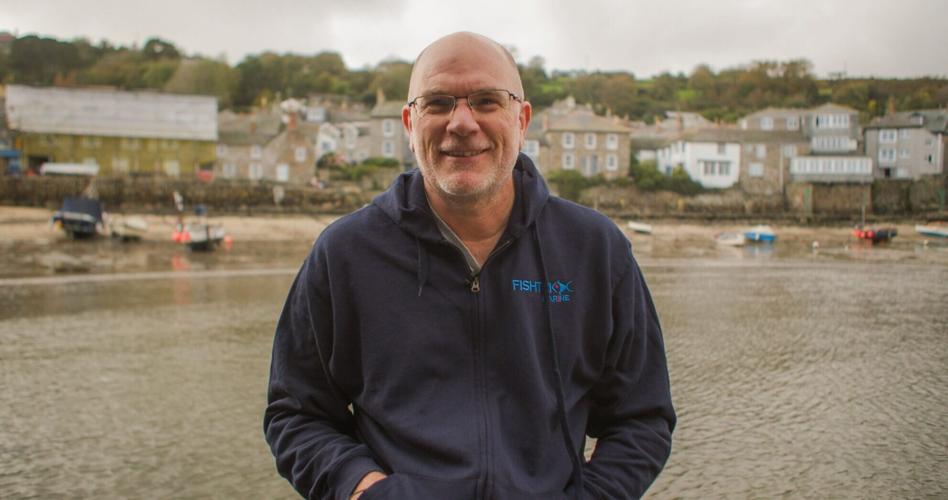
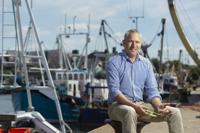
Mousehole fisherman Micky Bacon who took part in the trials. //New research has shown that a 'floating scarecrow' and a 'scarybird' kite could stop seabirds from getting caught in fishing nets. Exeter University says that every year an estimated 95,000 diving seabirds such as guillemots and razorbills are incidentally caught in fishing nets and subsequently drown around the coast of Europe. This is known as 'bycatch,' and researchers say it's a global problem for seabirds around the world. Now, as part of an eight-year collaboration between scientists at Fishtek Marine and nature conservation charity the RSPB, a deterrent has been developed.
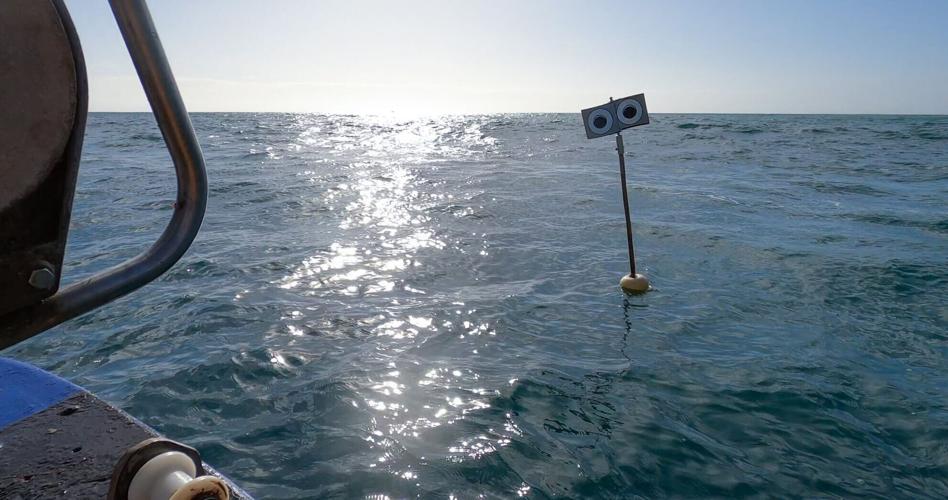
The Fishtek Looming Eye Buoyin opperation. //New research has shown that a 'floating scarecrow' and a 'scarybird' kite could stop seabirds from getting caught in fishing nets. Exeter University says that every year an estimated 95,000 diving seabirds such as guillemots and razorbills are incidentally caught in fishing nets and subsequently drown around the coast of Europe. This is known as 'bycatch,' and researchers say it's a global problem for seabirds around the world. Now, as part of an eight-year collaboration between scientists at Fishtek Marine and nature conservation charity the RSPB, a deterrent has been developed.
Trials ith fishermen were vital. //New research has shown that a 'floating scarecrow' and a 'scarybird' kite could stop seabirds from getting caught in fishing nets. Exeter University says that every year an estimated 95,000 diving seabirds such as guillemots and razorbills are incidentally caught in fishing nets and subsequently drown around the coast of Europe. This is known as 'bycatch,' and researchers say it's a global problem for seabirds around the world. Now, as part of an eight-year collaboration between scientists at Fishtek Marine and nature conservation charity the RSPB, a deterrent has been developed.
Mousehole fisherman Micky Bacon who took part in the trials. //New research has shown that a 'floating scarecrow' and a 'scarybird' kite could stop seabirds from getting caught in fishing nets. Exeter University says that every year an estimated 95,000 diving seabirds such as guillemots and razorbills are incidentally caught in fishing nets and subsequently drown around the coast of Europe. This is known as 'bycatch,' and researchers say it's a global problem for seabirds around the world. Now, as part of an eight-year collaboration between scientists at Fishtek Marine and nature conservation charity the RSPB, a deterrent has been developed.