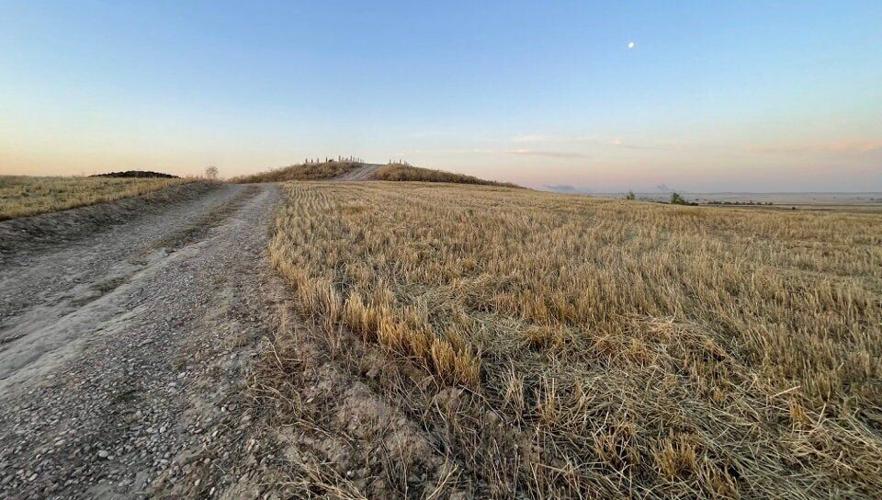
The landscape surrounding the ancient site of Kurd Qaburstan, where UCF-led excavations uncovered evidence of siege warfare, administrative archives and urban life dating back thousands of years. (Kurd Qaburstan Project via SWNS)
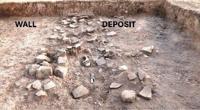
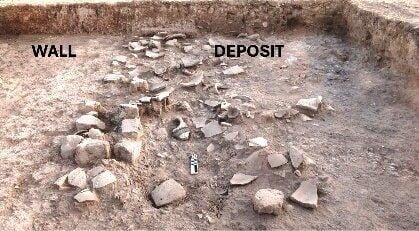
Broken vessels and other debris from a destruction layer were preserved east of a monumental mudbrick wall in the Lower Town East Palace at Kurd Qaburstan. (Edward Dandrow / Kurd Qaburstan Project via SWNS)
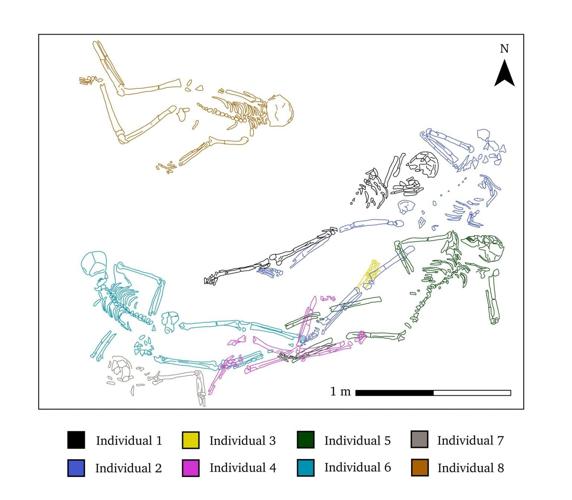
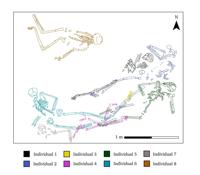
The spatial arrangement of human remains recovered from a destruction deposit in the Lower Town East Palace at Kurd Qaburstan. (Andrea Zurek-Ost / Kurd Qaburstan Project via SWNS)
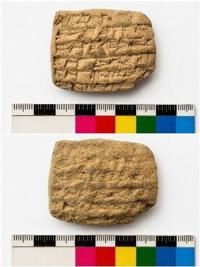
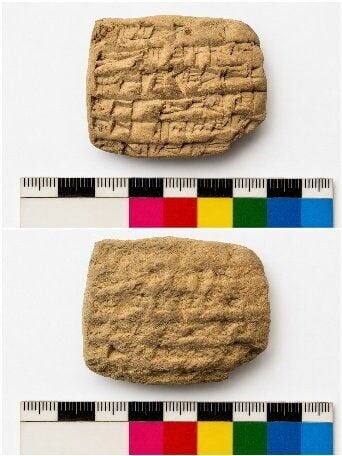
A cuneiform tablet from the Lower Town East palace is shown before and after expert conservation. The tablet is part of a group of administrative texts discovered during excavations at Kurd Qaburstan. (Carmen Gütschow / Kurd Qaburstan Project via SWNS)
The landscape surrounding the ancient site of Kurd Qaburstan, where UCF-led excavations uncovered evidence of siege warfare, administrative archives and urban life dating back thousands of years. (Kurd Qaburstan Project via SWNS)
By Talker
By Stephen Beech
Evidence of siege warfare dating back 4,000 years has been discovered in an area known as the "cradle of civilization."
Broken vessels and other debris from a destruction layer were preserved east of a monumental mudbrick wall in the Lower Town East Palace at Kurd Qaburstan. (Edward Dandrow / Kurd Qaburstan Project via SWNS)
The spatial arrangement of human remains recovered from a destruction deposit in the Lower Town East Palace at Kurd Qaburstan. (Andrea Zurek-Ost / Kurd Qaburstan Project via SWNS)
A cuneiform tablet from the Lower Town East palace is shown before and after expert conservation. The tablet is part of a group of administrative texts discovered during excavations at Kurd Qaburstan. (Carmen Gütschow / Kurd Qaburstan Project via SWNS)