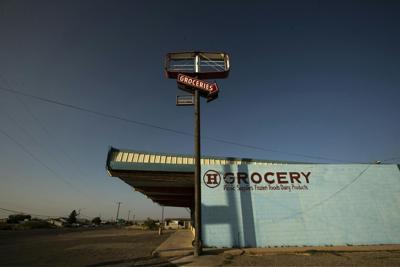

(MADISON, WISC.) When picking up groceries requires a two-hour round trip, fresh produce can become a luxury. As a food systems researcher, I see this tension firsthand: People need fresh food to be healthy, but rural regions increasingly lack access to it.
Food insecurity among rural households increased from 12% in 2019 to nearly 16% in 2024, according to the U.S. Department of Agriculture. Low income plays a part, but so too do supply chain logistics. Delivering groceries to rural areas costs distributors more, leading to higher prices and less access for rural consumers.
kAm!6C:D923=6 7@@5D – AC@5F46[ >62E 2?5 52:CJ – EC2G6= :? C67C:86C2E65 ECF4<D[ >2<:?8 E96> 2>@?8 k2 9C67lQ9EEADi^^HHH]2>D]FD52]8@G^D:E6D^5672F=E^7:=6D^>65:2^x>A24E@7#:D:?8s:6D6=!C:46D$F>>2CJ]A57QmE96 >@DE 6IA6?D:G6 AC@5F4ED E@ 5:DEC:3FE6k^2m] #FC2= C@FE6D 255 7FCE96C 4@DED] $>2== DE@C6D @C56C =6DD 2?5 C2C6=J 7:== 2 ECF4< @? E96:C @H?[ >62?:?8 5:DEC:3FE@CD 6:E96C CF? =@?8[ >F=E:\DE@A C@FE6D[ @C E96J D6?5 ECF4<D @FE 2?5 324< A2CE=J 6>AEJ] t:E96C H2J[ 56=:G6CJ 4@DED :?4C62D6]k^Am
kAmq642FD6 @7 E9:D[ >2?J ?2E:@?2= DFAA=J 492:?D 5@?’E AC:@C:E:K6 CFC2= 4@>>F?:E:6D] qFE E9:D H2D?’E 2=H2JD E96 42D6] $:?46 E96 `hf_D[ 56C68F=2E:@?[ DFAA=J 492:? AC:G2E:K2E:@? 2?5 C6DF=E:?8 4@?46?EC2E:@? 92G6 D<6H65 7@@5 5:DEC:3FE:@? 2?5 =67E CFC2= p>6C:42 369:?5]k^Am
kAm%@52J[ 2D 8C@46CJ 492:?D 8C@H =2C86C[ k2 9C67lQ9EEADi^^5@:]@C8^`_]`_gg^ahfe\e_`)^255_`4QmCFC2= 2446DD E@ AC@5F46[ >62E[ 52:CJ 2?5 AC6A2C65 7@@5Dk^2m :D 564C62D:?8] |J 4@==628F6D 2?5 x 2?2=JK65 E96 56=:G6CJ @7 A6C:D923=6 7@@5D 2?5 7@F?5 E92E ?2E:@?2= 5:DEC:3FE@CD 2C6 F?56CD6CG:?8 D6G6? DE2E6D H96? :E 4@>6D E@ C67C:86C2E65 >62E[ 52:CJ 2?5 @E96C AC6A2C65 7@@5D]k^Am
k9am#68F=2E:@?k^9am
kAmx? `hbd[ E96 k2 9C67lQ9EEADi^^5@:]@C8^`_]`_ge^adchdgQm|@E@C r2CC:6C p4Ek^2m C6BF:C65 =:46?D65 ECF4<:?8 4@>A2?:6D E@ D6CG6 DA64:7:4 C68:@?D[ D@ 42CC:6CD D6CG65 CFC2= 2?5 FC32? C@FE6D 2=:<6[ 6?DFC:?8 E92E AF3=:4=J 7:?2?465 C@25D H6C6 D6CG:?8 AF3=:4 ?665D] x? 6I492?86 7@C 2 C68:@?2= @A6C2E:?8 =:46?D6[ 4@>A2?:6D @77D6E F?AC@7:E23=6 CFC2= D6CG:46 H:E9 E96 9:89 >2C8:?D E96J >256 @? AC@7:E23=6 4:EJ\E@\4:EJ C@FE6D[ :?E68C2E:?8 CFC2= 4@>>F?:E:6D :?E@ E96:C DFAA=J 492:?D]k^Am
kAm%96 7@==@H:?8 J62C[ E96 k2 9C67lQ9EEADi^^HHH]4@?8C6DD]8@G^4CD\AC@5F4E^{$q``adfQm#@3:?D@?\!2E>2? p4Ek^2m AC@9:3:E65 H9@=6D2=6 DFAA=:6CD 7C@> 72G@C:?8 =2C86 8C@46CD H:E9 36EE6C AC:46D[ 25G6CE:D:?8 @C @E96C 6I4=FD:G6 562=D[ 5:D4@FC28:?8 C6E2:=6CD 7C@> 86EE:?8 3:886C E@ 86E 36EE6C 562=D]k^Am
kAm%@86E96C[ E96 EH@ =2HD DEC6?8E96?65 C68:@?2= 64@?@>:6D 2?5 96=5 ?2E:@?2= 5:DEC:3FE:@? :? 4964<] %9:D AC@E64E65 CFC2= 8C@46CD 7C@> 3:8 8C@46CJ 492:?D 2?5 DA=:E 5:DEC:3FE:@? 4@DED 36EH66? FC32? 2?5 CFC2= 4@>>F?:E:6D] pD 2 C6DF=E[ 2 D>2==\E@H? 8C@46C :? `hd_ 925 2446DD E@ k2 9C67lQ9EEADi^^3@@<D]8@@8=6]4@>^3@@<D^23@FE^q2C@?D]9E>=n:5lK8zyt"pp"qpyQm>F49 E96 D2>6 AC@5F4EDk^2m 2D 2 4:EJ 8C@46C :? E96 D2>6 C68:@?]k^Am
k9ams6C68F=2E:@?k^9am
kAm%9@F89 #@3:?D@?\!2E>2? :D DE:== @? E96 3@@<D[ 6?7@C46>6?E H2?65 :? E96 `hf_D 2D E96 8C@H:?8 :?7=F6?46 @7 k2 9C67lQ9EEADi^^HHH];DE@C]@C8^DE23=6^`gaf_aaQmr9:428@ $49@@= 64@?@>:DEDk^2m =65 2 D9:7E E@H2C5 56C68F=2E:@?] k2 9C67lQ9EEADi^^72C>24E:@?]FD^HA\4@?E6?E^FA=@25D^a_a`^_d^w6?5C:4<D@?\6E\2=]\a_a_]\r@?46?EC2E:@?\2?5\xED\x>A24ED0ux}p{0p556?565]A57QmvC@46CJ 4@>A2?:6D 2446=6C2E65 4@?D@=:52E:@?k^2m[ 82:?:?8 4@?EC@= @7 DFAA=J 492:?D 3J 244F>F=2E:?8 >2DD:G6 3FJ:?8 A@H6C]k^Am
kAmx? `hg_[ k2 9C67lQ9EEADi^^HHH]AC6D:56?4J]F4D3]65F^5@4F>6?ED^>@E@C\42CC:6C\24E\`hg_\DE2E6>6?E\D:8?:?8\D\aacd\:?E@\=2HQm!C6D:56?E y:>>J r2CE6C D:8?65 2 ?6H |@E@C r2CC:6C p4Ek^2m[ C6>@G:?8 E96 C6BF:C6>6?E E92E ECF4<:?8 4@>A2?:6D D6CG6 DA64:7:4 C68:@?D] ~?46 42CC:6CD 4@F=5 49@@D6 E96:C C@FE6D[ k2 9C67lQ9EEADi^^5:8:E2=4@>>@?D]5F]65F^48:^G:6H4@?E6?E]48:n2CE:4=6l`cddU2>Aj4@?E6IElE=;QmD6CG:46 E@ CFC2= C68:@?D 564=:?65k^2m[ 2D 4@>A2?:6D 3682? E@ AC:@C:E:K6 >@C6 AC@7:E23=6 FC32? C@FE6D]k^Am
kAm~G6C E:>6[ E96 5:D>2?E=:?8 2?5 ?68=64E @7 E96D6 C68F=2E@CJ 72:=\D276D ;24<65 FA CFC2= 7@@5 5:DEC:3FE:@? 4@DED 2?5 2==@H65 3:8 8C@46CD E@ 86E 6G6? 3:886C] r92:?D 82:?65 2446DD E@ H9@=6D2=6 5:D4@F?ED E92E :?56A6?56?ED 5:5?’E 92G6[ 27764E:?8 D>2==6C 8C@46CD 2?5 86?6C2E:@?D @7 CFC2= p>6C:42?D]k^Am
k7:8FC6mk:>8 2=ElQp H9:E6 D6>:\ECF4< AF==:?8 2 H9:E6 EC2:=6C 5C:G6D 5@H? 2 9:89H2J[ H:E9 9:==D :? E96 324<8C@F?5]Q DC4lQ9EEADi^^:>286D]E964@?G6CD2E:@?]4@>^7:=6D^feg_`g^@C:8:?2=^7:=6\a_ae`_ab\d_\c829`F];A8n:I=:3lC3\c]`]`U2>AjC64El_TarbeeTargdbfTarcg_aU2>AjBlcdU2>Aj2FE@l7@C>2EU2>Aj7:El4=:AU2>AjHlfc_Q ^mk7:842AE:@?m{@?8 C@FE6D H:E9 >2?J DE@AD >2<6 CFC2= 56=:G6C:6D 4@DE=J 7@C 5:DEC:3FE@CD] k2 9C67lQ9EEADi^^HHH]86EEJ:>286D]4@>^56E2:=^A9@E@^C67C:86C2E65\H9:E6\D6>:\EC2:=6C\EC2?DA@CE:?8\C@J2=EJ\7C66\:>286^`bhha`bbedQm%wt!p{|t#^tZ G:2 v6EEJ x>286D G:2 %96 r@?G6CD2E:@?k^2mk^7:842AE:@?mk^7:8FC6m
k9amx?7@C>2E:@? :D A@H6Ck^9am
kAm%96D6 EH@ A@=:4J D9:7ED H6C6 2>A=:7:65 :? E96 `hh_D 2D 492:? DE@C6D DE2CE65 E@ FD6 k2 9C67lQ9EEADi^^HHH]C@3\>44F==@49]@C8^D@>60A2A6CD02?50E2=<D^A2A6CD^AF3=:D965^E2C86E]A57QmA@:?E\@7\D2=6 52E2k^2m =:<6 4964<@FE 2?5 =@J2=EJ\AC@8C2> C64@C5D] {2C86 4@>A2?:6D 925 E96 C6D@FC46D E@ 4@==64E 52E2 @? AFC492D:?8 AC676C6?46D @G6C H9@=6 86@8C2A9:4 C68:@?D[ H9:=6 =@42= 3FD:?6DD6D 5:5 ?@E] r92:?D 3682? E@ FD6 k2 9C67lQ9EEADi^^HHH]7@@5DJDE6>D;@FC?2=]@C8^:?56I]A9A^7D;^2CE:4=6^G:6H^`_c_Qm62C=J 7@C>D @7 2CE:7:4:2= :?E6==:86?46k^2m E@ 7:?5 A2EE6C?D :? 3:8 52E2D6ED[ 8:G:?8 3:886C 4@>A2?:6D J6E 2?@E96C 4@>A6E:E:G6 25G2?E286 @G6C D>2== @?6D]k^Am
kAmpD px\A@H6C65 52E2 3642>6 >@C6 D@A9:DE:42E65[ 3FD:?6DD6D H:E9 E96 >62?D 25@AE65 k2 9C67lQ9EEADi^^HHH]2?E:ECFDE:?DE:EFE6]@C8^H@C<\AC@5F4E^22:\:DDF6D\C6A@CE\>2C<6E\A@H6C\2?5\5:8:E2=\3FD:?6DD\64@DJDE6>D\2DD6DD:?8\E96\:>A24E\@7\64@?@>:4\2?5\3FD:?6DD\4@>A=6I:EJ\@?\4@>A6E:E:@?\2?2=JD:D\2?5\C6>65:6D^Qm?6H E649?@=@8Jk^2m E@ :>AC@G6 ECF4<:?8 =@8:DE:4D E92E @AE:>:K6 7@C 9:89\56?D:EJ[ 9:89\>2C8:? FC32? 4@CC:5@CD] %9:D 92D AFD965 :?56A6?56?E 8C@46CD 7FCE96C E@ E96 >2C8:?D]k^Am
k9am|2AA:?8 E96 82ADk^9am
kAm|J 4@==628F6D 2?5 x FD6 &$sp 2?5 s6A2CE>6?E @7 %C2?DA@CE2E:@? 52E232D6D 2?5 px >@56=D E@ 6IA=@C6 CFC2= 7@@5 2446DD] (6 7@F?5 E92E k2 9C67lQ9EEADi^^5@:]@C8^`_]`_gg^ahfe\e_`)^255_`4Qm?2E:@?2= 5:DEC:3FE@CD 2C6 F?56CD6CG:?8k^2m (6DE ':C8:?:2[ pC:K@?2[ %6I2D[ |:49:82?[ }@CE9 s2<@E2[ $@FE9 s2<@E2 2?5 |@?E2?2 H96? :E 4@>6D E@ C67C:86C2E65 >62E[ 52:CJ 2?5 @E96C AC6A2C65 7@@5D]k^Am
kAmk2 9C67lQ9EEADi^^HHH]2>D]FD52]8@G^D:E6D^5672F=E^7:=6D^>65:2^%C2?DA@CE2E:@?xDDF6Dp7764E:?8x?56A6?56?EvC@46CD$F>>2CJ]A57Qm%@ EC246 AC@5F46k^2m :? A2CE:4F=2C[ H6 7@4FD65 @? (:D4@?D:?[ FD:?8 AC@AC:6E2CJ k2 9C67lQ9EEADi^^HHH]DA8=@32=]4@>^>2C<6E\:?E6==:86?46^6?^D@=FE:@?D^AC@5F4ED^EC2?D62C49\7C6:89E\EC2?DA@CE2E:@?\C6D62C49Qm52E2 7C@> %C2?D62C49k^2m[ 2 E@@= E92E EC2?DA@CE2E:@? A=2??6CD FD6 E@ EC24< :?E6CDE2E6 4@>>6C46] x? >@DE (:D4@?D:? 4@F?E:6D[ ?2E:@?2= 5:DEC:3FE@CD 56=:G6C65 =6DD E92? h]a A@F?5D Wc]a <:=@8C2>DX @7 =627J 8C66?D A6C A6CD@? 2??F2==J[ @C =6DD E92? 2 E9:C5 @7 E96 b_ E@ bd A@F?5D W`c E@ `e <:=@8C2>DX @7 =627J 8C66?D 2 EJA:42= p>6C:42? 62ED :? 2 J62C] qJ 4@?EC2DE[ FC32? 4@F?E:6D 2C@F?5 |:=H2F<66 2?5 |25:D@? C646:G65 `h E@ bf A@F?5D Wh E@ `f <:=@8C2>DX A6C A6CD@? 2??F2==J]k^Am
kAmx?E6CG:6HD H:E9 8C@46CD[ 5:DEC:3FE@CD 2?5 7@@5 A2?ECJ G@=F?E66CD 24C@DD `b ?@CE96C? (:D4@?D:? 4@F?E:6D 96=A65 :==FDEC2E6 H9J]k^Am




kAmu656C2= D276EJ CF=6D 42A ECF4<6CD 2E `` 9@FCD 369:?5 E96 H966=[ D@ 2 5:DE2?E 56=:G6CJ >:89E 7:E :? 2 D9:7E @?=J :7 E96 ECF4< 92D @?6 DE@A E@ >2<6] “qFE E@ 36 AC@7:E23=6[ H6 ?665 >F=E:A=6 DE@AD @? E96 ECF4<[” @?6 5:DEC:3FE@C D2:5] “%92E’D H9J 2 =@E @7 E9@D6 C62==J 72C\@FE DE@C6D[ H6’C6 ?@E C62==J :?E6C6DE65 :?]”k^Am
kAm(@C<:?8 E@ 7:== E9:D 82A[ k2 9C67lQ9EEADi^^5@:]@C8^`_]````^2;26]`a`b`Qm:?56A6?56?E C6E2:=6CDk^2m @A6C2E6 >@C6 E92? 92=7 @7 CFC2= 8C@46CJ DE@C6D[ AC@G:5:?8 bgT @7 7@@5 D2=6D] %@ 2==6G:2E6 E96 DFAA=J 492:? 4@DE 3FC56?[ D@>6 CFC2= 8C@46CD 92G6 ;@:?65 @C 7@C>65 5:DEC:3FE:@? 4@\@AD E96J @H? 2?5 8@G6C?]k^Am
kAmqFE 4@\@AD 2=@?6 H@?’E 7:I E96 F?56C=J:?8 AC@3=6>]k^Am
kAm~?6 8C@46C E@=5 @FC E62> E92E EH@ 4@@A6C2E:G6 5:DEC:3FE@CD – H9:49 925 D6CG65 D>2==6C[ :?56A6?56?E 8C@46CD – >6C865 2?5 H6C6 3@F89E @FE 3J 2 AC:G2E6 6BF:EJ 7:C>] tG6?EF2==J[ zC@86C – @?6 @7 E96 4@F?ECJ’D =2C86DE :?E68C2E65 8C@46CJ 492:?D – k2 9C67lQ9EEADi^^:C]<C@86C]4@>^?6HD^?6HD\56E2:=D^a_`d^zC@86C\2?5\#@F?5JD\p??@F?46\s67:?:E:G6\|6C86C\p8C66>6?E^5672F=E]2DAIQm3@F89E E96 5:DEC:3FE:@? ?6EH@C<k^2m 2?5 DE@AA65 DFAA=J:?8 :?56A6?56?E DE@C6D[ D6CG:?8 @?=J E9@D6 :E @H?65] xE 2=D@ 7@4FD65 @? k2 9C67lQ9EEADi^^>2DD>2C<6EC6E2:=6CD]4@>^<C@86C\E@\@A6?\``_\DE@C6D\563FE\E9C66\?6H\7@C>2ED\7@4FD65\@?\7C6D9\2?5\6\4@>>6C46^Qm>@C6 AC@7:E23=6 FC32? =@42E:@?Dk^2m[ @A6?:?8 ?6H DE@C6D :? 9:89\8C@HE9 >2C<6ED]k^Am
kAmk2 9C67lQ9EEADi^^HHH];F5:4:2CJ]D6?2E6]8@G^:>@^>65:2^5@4^$>:E9Ta_\Ta_%6DE:>@?J]A57Qm%9:D C65F465 4@>A6E:E:@?k^2m :? CFC2= 7@@5 5:DEC:3FE:@?]k^Am
k9am#6G:G:?8 6?7@C46>6?Ek^9am
kAmsFC:?8 E96 q:56? 25>:?:DEC2E:@?[ E96 u656C2= %C256 r@>>:DD:@? k2 9C67lQ9EEADi^^3FD:?6DD=2HE@52J]@C8^a_ae^_c^C@3:?D@?\A2E>2?\24E\>2<6D\4@>6324<^QmC6G:G65 6?7@C46>6?Ek^2m @7 E96 =@?8\5@C>2?E `hbe #@3:?D@?\!2E>2? p4E 2?5 @E96C 2?E:ECFDE =2HD >62?E E@ AC@E64E :?56A6?56?E 3FD:?6DD6D 7C@> 2 76H 3:8 4@>A2?:6D 4@?EC@==:?8 E96 >2C<6E]k^Am
kAm%96 u%r DF65 E@ 3=@4< 2 >6C86C k2 9C67lQ9EEADi^^E964@?G6CD2E:@?]4@>^H92ED\?6IE\7@C\2=36CED@?D\27E6C\42==:?8\@77\:ED\ad3\8C@46CJ\>6C86C\H:E9\<C@86C\>@C6\=2HDF:ED\acdgabQm36EH66? zC@86C 2?5 p=36CED@?D[ EH@ @7 E96 4@F?ECJ’D =2C86DE 8C@46CJ 492:?Dk^2m] xE 2=D@ DF65 5:DEC:3FE@C $@FE96C? v=2K6C’D 7@C 2==6865=J 8:G:?8 566A 5:D4@F?ED E@ ?2E:@?2= 492:? DE@C6D[ :?4=F5:?8 zC@86C[ 2?5 !6AD:r@ 7@C 2==6865=J 8:G:?8 2 =2C86 C6E2:=6C 562=D E92E D>2==6C @?6D 5:5?’E 86E]k^Am
kAmx? |2J a_ad[ F?56C E96 %CF>A 25>:?:DEC2E:@?[ E96 u%r 5C@AA65 E96 !6AD:r@ 42D6[ k2 9C67lQ9EEADi^^HHH]7E4]8@G^?6HD\6G6?ED^?6HD^AC6DD\C6=62D6D^a_ad^_d^7E4\5:D>:DD6D\=2HDF:E\282:?DE\A6AD:4@Qm4:E:?8 A2CE:D2?D9:Ak^2m] qFE :? ~4E@36C a_ae[ :E k2 9C67lQ9EEADi^^HHH]7E4]8@G^?6HD\6G6?ED^?6HD^AC6DD\C6=62D6D^a_ae^`_^7E4\D64FC6D\D6EE=6>6?E\AC@E64ED\D>2==\3FD:?6DD6D\:==682=\AC:46\5:D4C:>:?2E:@?QmD6EE=65 :ED 42D6k^2m 282:?DE $@FE96C? v=2K6C’D :? 2 562= E96 286?4J D2:5 H@F=5 >2<6 :E 62D:6C 7@C D>2== 3FD:?6DD6D E@ 4@>A6E6 H:E9 =2C86 492:?D]k^Am
kAmx? >J 2DD6DD>6?E[ 6?7@C4:?8 #@3:?D@?\!2E>2? 2?5 @E96C =2HD H@F=5 5:D4@FC286 5:D4C:>:?2E@CJ AC:4:?8 E92E 8:G6D 492:?D 2? 25G2?E286 @G6C D>2==6C CFC2= DE@C6D]k^Am
kAm%2<:?8 2 7C6D9 =@@< 2E k2 9C67lQ9EEADi^^HHH]2>D]FD52]8@G^D:E6D^5672F=E^7:=6D^>65:2^|@G:?8u@@5p=@?8'2=F6r92:?]A57Qm7@@5 5:DEC:3FE:@? A@=:4:6Dk^2m – =:<6 E96 |@E@C r2CC:6C p4E 2?5 AF3=:4 FE:=:EJ A@=:4:6D – 4@F=5 2=D@ =6G6= E96 A=2J:?8 7:6=5] u@C 6I2>A=6[ :?4=F5:?8 CFC2= 56=:G6CJ 2D 2 =:46?D:?8 C6BF:C6>6?E 282:? 4@F=5 :>AC@G6 CFC2= 7@@5 2446DD]k^Am
k9am(92E ?@Hnk^9am
kAmx? a_ad[ E96 %CF>A 25>:?:DEC2E:@? 2??@F?465 E92E :E H@F=5 ?@ =@?86C 4@==64E k2 9C67lQ9EEADi^^HHH]C6FE6CD]4@>^H@C=5^FD^ECF>A\25>:?:DEC2E:@?\42?46=D\FD52D\2??F2=\7@@5\:?D64FC:EJ\DFCG6J\HD;\C6A@CED\a_ad\_h\a_^Qm7@@5 D64FC:EJ 52E2k^2m[ H:E9@FE H9:49 7@@5 DJDE6>D C6D62C496CD H:== DECF88=6 E@ <?@H H96E96C 4@?5:E:@?D :? CFC2= p>6C:42 :>AC@G65 @C H@CD6?65 :? a_ae] |62?H9:=6[ k2 9C67lQ9EEADi^^5@:]@C8^`_]db_c^;27D45]a_a`]```]_`fQmAF3=:4 7F?5:?8k^2m E@ >@?:E@C 7@@5 DJDE6>D 4@?E:?F6D :ED 564=:?6]k^Am
kAm%9@F89 CFC2= 5:DEC:3FE:@? C6>2:?D 2 k2 9C67lQ9EEADi^^5@:]@C8^`_]`__f^hfg\b\_b_\cgafh\c0`dQm492==6?86 8=@32==Jk^2m[ @E96C 4@F?EC:6D 2C6 >2<:?8 :?C@25Di x? yF?6 a_ae[ r2?252 2??@F?465 2 `_\J62C k2 9C67lQ9EEADi^^28C:4F=EFC6]42?252]42^6?^56A2CE>6?E^:?:E:2E:G6D^?2E:@?2=\7@@5\D64FC:EJ\DEC2E68JQm7@@5 D64FC:EJ DEC2E68Jk^2m H@CE9 b]a 3:==:@? r2?25:2? 5@==2CD[ :?4=F5:?8 2:5 E@ :?56A6?56?E 8C@46CD[ C67C:86C2E65 H2C69@FD6D 2?5 @A6? H9@=6D2=6 >2C<6EA=246D H96C6 72C>6CD 42? D6== E96:C AC@5F46]k^Am
kAm{2C86 C68:@?D @7 E96 &]$] H@F=5 36?67:E 7C@> E96 D2>6]k^Am
kAmk6>m%9:D 2CE:4=6 :D C6AF3=:D965 7C@> k2 9C67lQ9EEAi^^E964@?G6CD2E:@?]4@>^FDnFE>0D@FC46l{66U2>AjFE>0>65:F>lC6=2E65\=:?<U2>AjFE>042>A2:8?lC6=2E65\=:?<\_U2>AjFE>04@?E6?El2CE:4=6\ah_`acQm%96 r@?G6CD2E:@?k^2m[ 2 ?@?AC@7:E[ :?56A6?56?E ?6HD @C82?:K2E:@? 3C:?8:?8 J@F 724ED 2?5 ECFDEH@CE9J 2?2=JD:D E@ 96=A J@F >2<6 D6?D6 @7 @FC 4@>A=6I H@C=5] xE H2D HC:EE6? 3Ji kDA2?mk2 9C67lQ9EEADi^^E964@?G6CD2E:@?]4@>^AC@7:=6D^>:496==6\>:==6C\bhdddfnFE>0D@FC46l{66U2>AjFE>0>65:F>lC6=2E65\=:?<U2>AjFE>042>A2:8?l3J=:?6\=:?<U2>AjFE>04@?E6?El2CE:4=6\ah_`acQm|:496==6 |:==6Ck^2m[ k6>mk2 9C67lQ9EEADi^^E964@?G6CD2E:@?]4@>^:?DE:EFE:@?D^F?:G6CD:EJ\@7\H:D4@?D:?\>25:D@?\hbhnFE>0D@FC46l{66U2>AjFE>0>65:F>lC6=2E65\=:?<U2>AjFE>042>A2:8?l3J=:?6\=:?<U2>AjFE>04@?E6?El2CE:4=6\ah_`acQm&?:G6CD:EJ @7 (:D4@?D:?\|25:D@?k^2mk^6>mk^DA2?mk^6>mk^Am
kAmkDEC@?8m#625 >@C6ik^DEC@?8mk^Am
kF=mk=:mk2 9C67lQ9EEAi^^E964@?G6CD2E:@?]4@>^ECF>A\D4C2AD\E96\?2E:@?D\>@DE\4@>AC696?D:G6\7@@5\:?D64FC:EJ\C6A@CE\>2<:?8\:E\92C56C\E@\<?@H\9@H\>2?J\2>6C:42?D\DECF88=6\E@\86E\6?@F89\7@@5\aee__enFE>0D@FC46l{66U2>AjFE>0>65:F>lC6=2E65\=:?<U2>AjFE>042>A2:8?lC6=2E65\=:?<_U2>AjFE>04@?E6?El2CE:4=6\ah_`acQm%CF>A D4C2AD E96 ?2E:@?’D >@DE 4@>AC696?D:G6 7@@5 :?D64FC:EJ C6A@CE − >2<:?8 :E 92C56C E@ <?@H 9@H >2?J p>6C:42?D DECF88=6 E@ 86E 6?@F89 7@@5k^2mk^=:mk=:mk2 9C67lQ9EEAi^^E964@?G6CD2E:@?]4@>^H92ED\?6IE\7@C\2=36CED@?D\27E6C\42==:?8\@77\:ED\ad3\8C@46CJ\>6C86C\H:E9\<C@86C\>@C6\=2HDF:ED\acdgabnFE>0D@FC46l{66U2>AjFE>0>65:F>lC6=2E65\=:?<U2>AjFE>042>A2:8?lC6=2E65\=:?<`U2>AjFE>04@?E6?El2CE:4=6\ah_`acQm(92E’D ?6IE 7@C p=36CED@?D 27E6C 42==:?8 @77 :ED q 8C@46CJ >6C86C H:E9 zC@86Ci |@C6 =2HDF:EDk^2mk^=:mk=:mk2 9C67lQ9EEAi^^E964@?G6CD2E:@?]4@>^72C>6CD\>2C<6ED\2C6\8C@H:?8\E96:C\C@=6\2D\6DD6?E:2=\D@FC46D\@7\962=E9J\7@@5\7@C\C:49\2?5\A@@C\`df__hnFE>0D@FC46l{66U2>AjFE>0>65:F>lC6=2E65\=:?<U2>AjFE>042>A2:8?lC6=2E65\=:?<aU2>AjFE>04@?E6?El2CE:4=6\ah_`acQmu2C>6CD >2C<6ED 2C6 8C@H:?8 E96:C C@=6 2D 6DD6?E:2= D@FC46D @7 962=E9J 7@@5 7@C C:49 2?5 A@@Ck^2mk^=:mk^F=m
kA 4=2DDlQ7:?6\AC:?EQmk6>mkDA2?m|:496==6 |:==6C C646:G6D 7F?5:?8 7C@> E96 &?:E65 $E2E6D s6A2CE>6?E @7 p8C:4F=EFC6[ 2?5 E96 $E2E6 @7 (:D4@?D:?] $96 :D 277:=:2E65 H:E9 (:D4@?D:? u2C>6CD &?:@? 2?5 (2C69@FD6D c v@@5]k^DA2?mk^6>mk^Am
kAmk:>8 DC4lQ9EEADi^^4@F?E6C]E964@?G6CD2E:@?]4@>^4@?E6?E^ah_`ac^4@F?E]8:7n5:DEC:3FE@Cl=66Q DEJ=6lQ96:89Ei`AIjH:5E9i`AIjQ 2=ElQQ ^mk^Am


