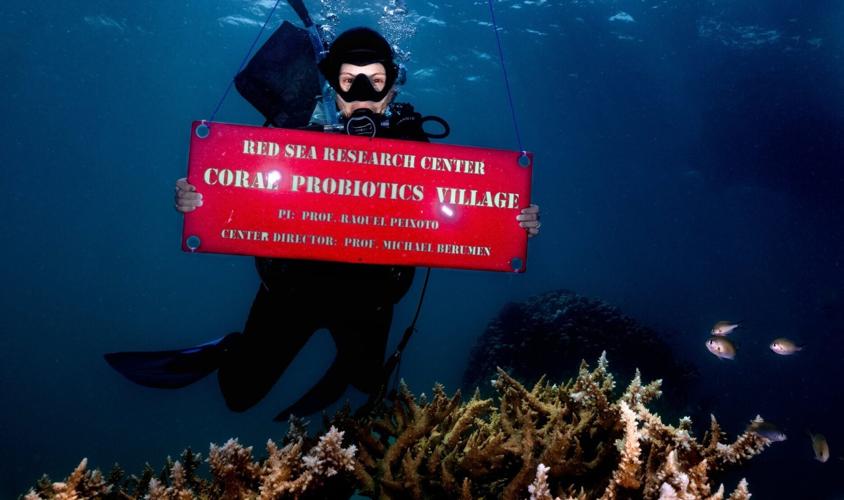
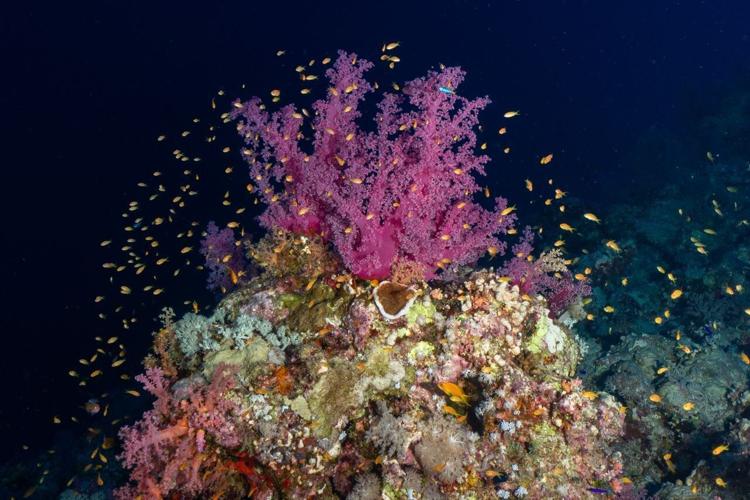
Raquel Peixoto, a professor of marine science at the King Abdullah University of Science and Technology in Saudi Arabia, is pictured at the Coral Probiotics Village at the Al Fahal Reef in the Red Sea. (Morgan Bennett-Smith via SWNS)
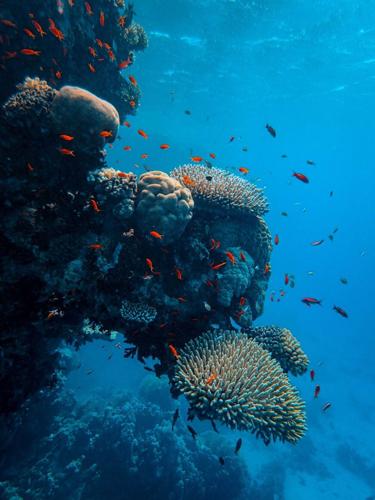
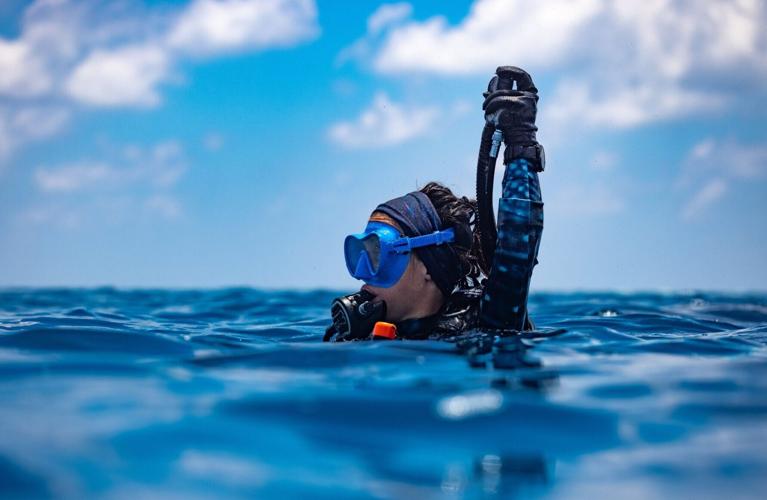
Erika Santoro, a postdoctoral fellow at the Marine Microbiomes Lab at the King Abdullah University of Science and Technology in Saudi Arabia, descends into the Red Sea. (Morgan Bennett-Smith via SWNS)
Raquel Peixoto, a professor of marine science at the King Abdullah University of Science and Technology in Saudi Arabia, is pictured at the Coral Probiotics Village at the Al Fahal Reef in the Red Sea. (Morgan Bennett-Smith via SWNS)
By Stephen Beech
Coral dying from heat stress has been revived in the ocean using live bacteria.
Erika Santoro, a postdoctoral fellow at the Marine Microbiomes Lab at the King Abdullah University of Science and Technology in Saudi Arabia, descends into the Red Sea. (Morgan Bennett-Smith via SWNS)
...HEAT ADVISORY REMAINS IN EFFECT UNTIL 8 PM CDT SATURDAY...

* WHAT...Heat index values up to 108.

* WHERE...A portion of central Alabama.

* WHEN...Until 8 PM CDT Saturday.

* IMPACTS...Hot temperatures and high humidity may cause heat
illnesses.

PRECAUTIONARY/PREPAREDNESS ACTIONS...

Drink plenty of fluids, stay in an air-conditioned room, stay out of
the sun, and check up on relatives and neighbors. Young children and
pets should never be left unattended in vehicles under any
circumstances.

Take extra precautions if you work or spend time outside. When
possible, reschedule strenuous activities to early morning or
evening. Know the signs and symptoms of heat exhaustion and heat
stroke. Wear light weight and loose fitting clothing when possible
and drink plenty of water.

To reduce risk during outdoor work, the Occupational Safety and
Health Administration recommends scheduling frequent rest breaks in
shaded or air conditioned environments. Anyone overcome by heat
should be moved to a cool and shaded location. Heat stroke is an
emergency! Call 9 1 1.

&&